

Point of view
ERP-centric B2B commerce: why business logic decides the platform, not the other way around.
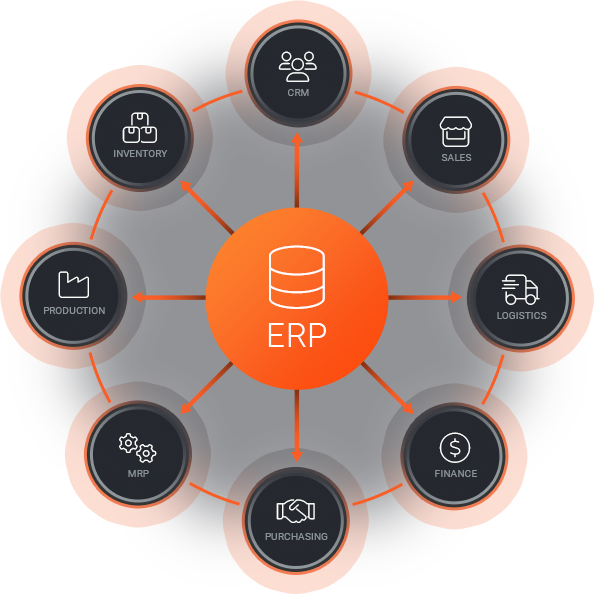
B2B ecommerce projects fail for manufacturers with complex ERPs because teams choose a platform before they understand the business logic the platform must honour. ERP-centric B2B commerce flips that order. It starts with operational truth, pricing, inventory, contracts, approvals, quotes, shipments, then selects the architecture and platform that can carry that logic without breaking it. Architecture before app. Business logic before platform.
The thesis
The platform doesn't matter until the ERP business logic is understood, map operational truth first, choose technology second.
What's in this guide
Topics based on real decisions.
The following topics come up frequently in our discovery work with manufacturers and B2B distributors running an ERP-driven business.
Next step
Get the foundation right before you build.
Celeste gives you an honest read on the architecture in about three minutes. Discovery and Strategy gets you the plan to execute against.
ERP Integration Expansion
Frequently Asked Questions
Because the platform is chosen before the business logic is understood. Manufacturers have customer-specific pricing, contract terms, multi-warehouse inventory, approval chains, and quote workflows that live in the ERP, and most consumer-grade platforms quietly assume those away. The fix is sequencing: map the ERP-driven rules first, then choose an architecture that can honour them natively or through clean integration.
ERP-centric B2B commerce is an approach that treats the ERP as the system of record for pricing, inventory, accounts, contracts, quotes, approvals, and order status, and designs the digital experience around those truths. The storefront and middleware serve the ERP logic rather than duplicating or contradicting it. For mid-market manufacturers, it is the only model that survives contact with real customers.
Sometimes, yes. If pricing, inventory, or customer master data is inconsistent inside the ERP, ecommerce will expose that inconsistency to customers in public. Discovery should identify where the ERP is ready, where it needs cleanup, and where commerce can launch in parallel. Honest sequencing is cheaper than relaunching.
There is no universal answer, and any vendor who gives you one is selling. Shopware, BigCommerce, and Shopify each fit different operating models, and the right choice depends on which of the nine ERP-driven capabilities your business depends on most. Acro Commerce structures the platform decision after discovery, not before.
Acumatica's distribution and manufacturing editions already model much of the pricing, inventory, and account logic commerce needs to surface, which shortens the integration conversation. The remaining question is which commerce front end and middleware best expose that logic to buyers and reps. Acro Commerce is an Acumatica partner and maps the full ecosystem in Pillar 3.
For mid-market manufacturers, a focused Discovery & Strategy engagement typically runs two to eight weeks, depending on scope, and produces a capability map, an integration plan, a roadmap, and a defensible platform recommendation. Shorter than that and the operational truth is usually under-investigated. Longer and the project stalls in analysis.
Often, yes. If the platform can carry the business logic but the integration is brittle, the highest-leverage work is on the integration layer rather than a replatform. Discovery should always test the keep-and-improve path before recommending replacement, because the cheapest successful project is the one that does not rebuild what already works.
Headless and composable approaches give teams more freedom to honour complex ERP logic without fighting a monolithic platform, but they also add operational overhead. They are the right answer when the business rules genuinely require it, and the wrong answer when a well-fit single platform would do. Pillar 2 walks through the trade-offs in detail.