


B2B Portals
B2B portals for manufacturers & distributors
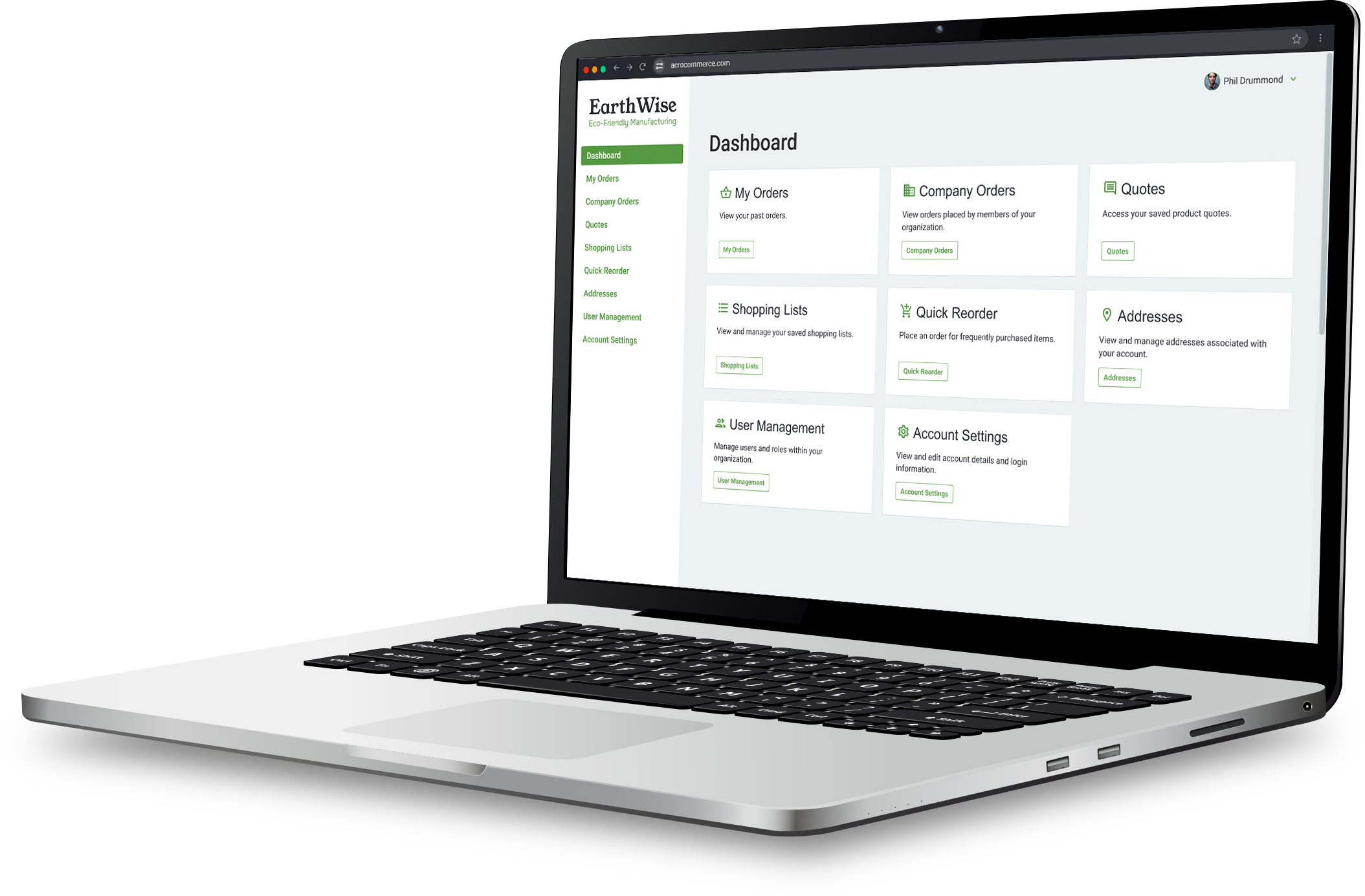
A B2B portal is a private website where your business customers log in to reorder, check stock, see their own prices, and pay invoices.
It works only when it pulls those prices, stock levels, and orders from your ERP. That connection is most of the work, so we plan it before anyone picks a platform.
Free, no login, about three minutes.
| Video: Learn how to transform your portal into a powerful sales tool that reduces friction and gets your customers to log in again and again. From Stephen Netzlaw, COO of Acro Commerce Download: Get our cheat sheet. |
B2B portals like these
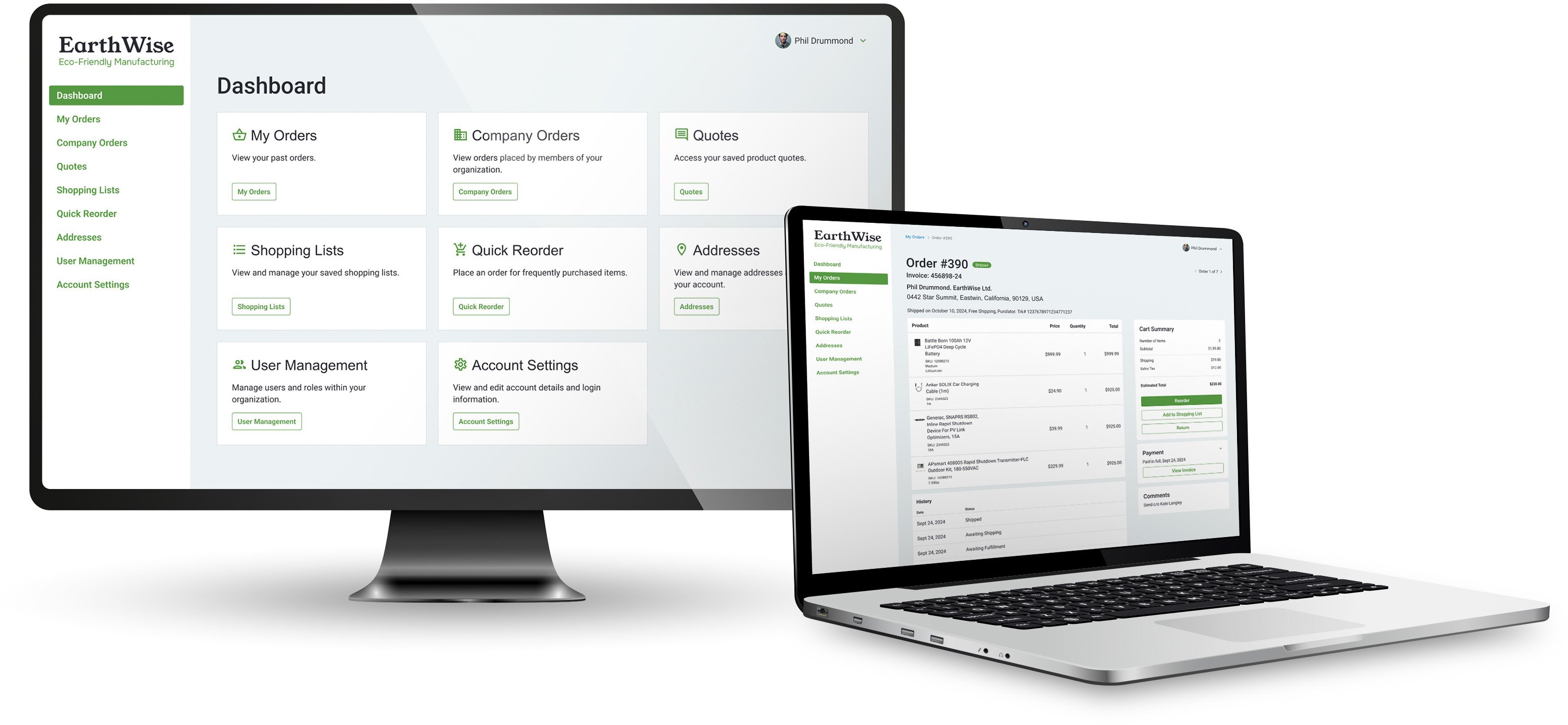
Our clients who put their buyers at the centre of their B2B portals.


Challenges
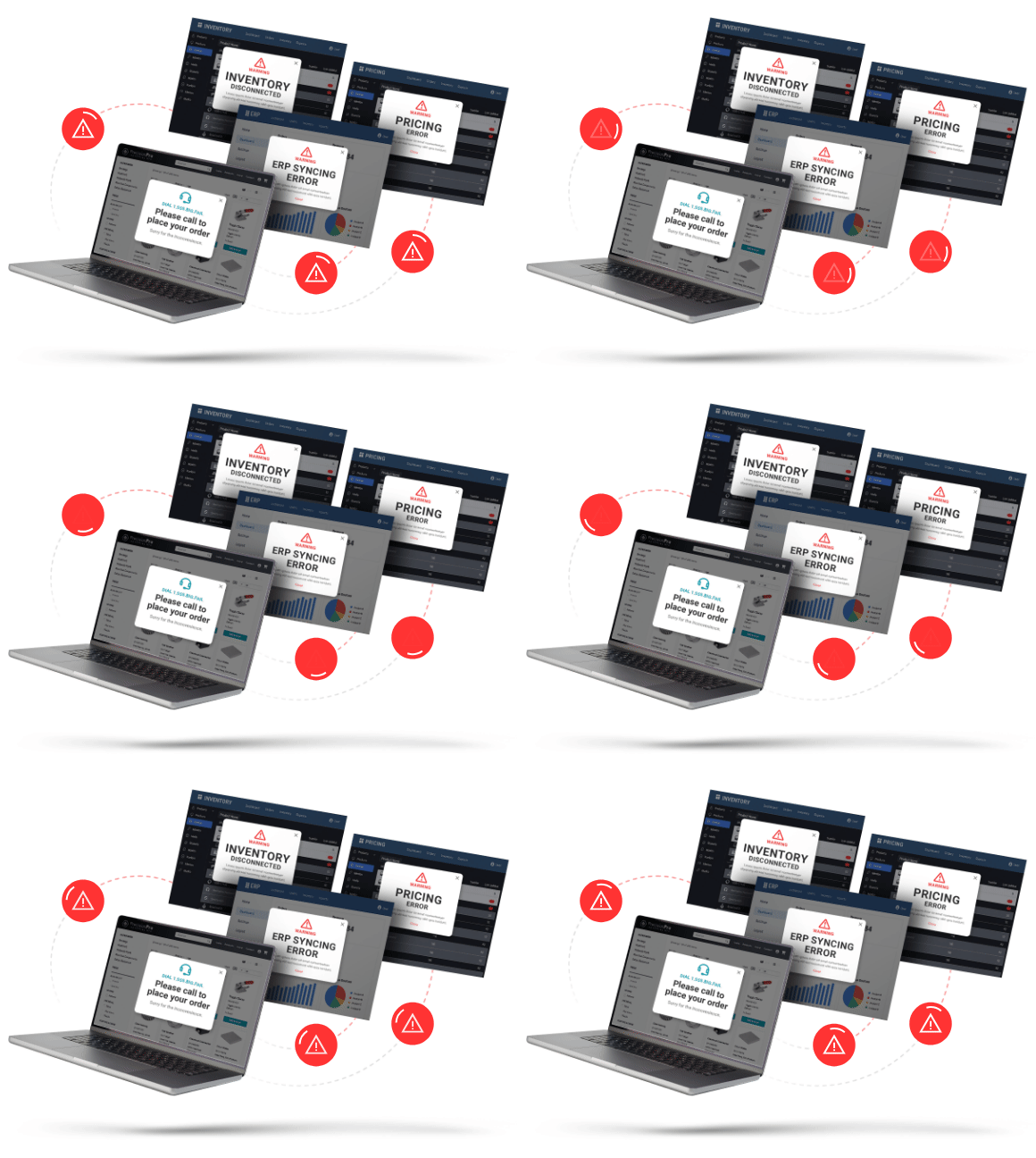
Why most portals fall short in B2B
Buyers expect self-service
67% of B2B buyers prefer to buy without a sales rep.
Source: Gartner, March 2026 survey
Digital experience drives loyalty
54% of B2B buyers likely to switch suppliers name a poor digital experience as a reason.
Source: McKinsey, Five Fundamental Truths: How B2B Winners Keep Growing
High-value deals are moving online
70% of decision-makers are open to making self-serve or remote purchases above $50,000.
Source: McKinsey, How COVID-19 Has Changed B2B Sales Forever
Few companies keep pace
86% of B2B purchases stall during the buying process, and 81% of buyers report dissatisfaction with their providers.
Source: Forrester, The State of Business Buying, 2024
Results
What a well-planned B2B portal delivers
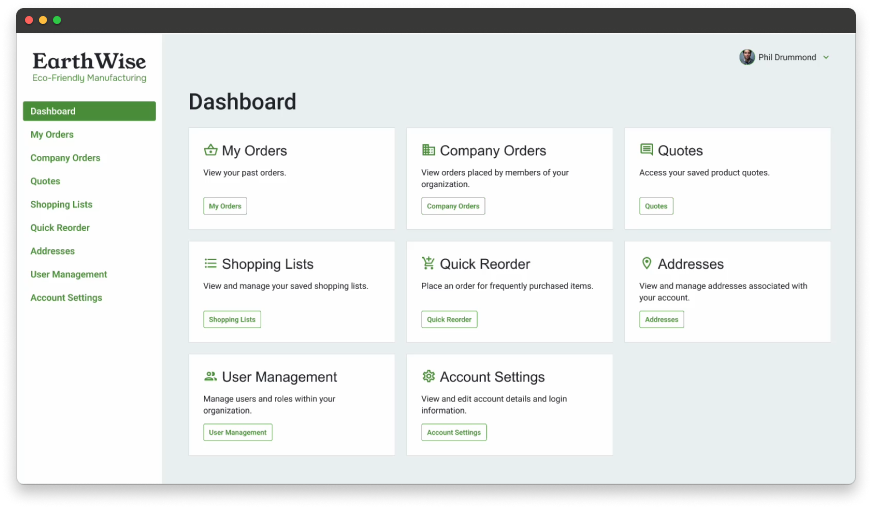
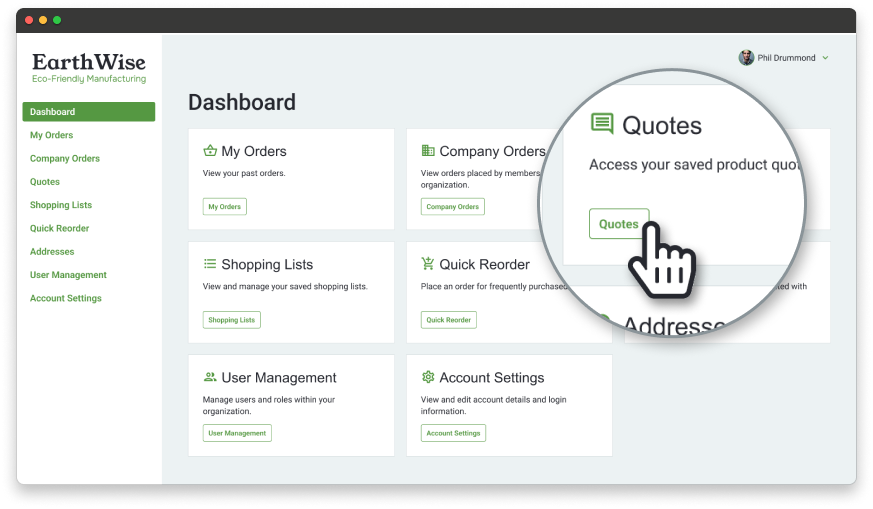
Your sales team spends time on growth instead of troubleshooting
Your customers reorder in minutes instead of hours
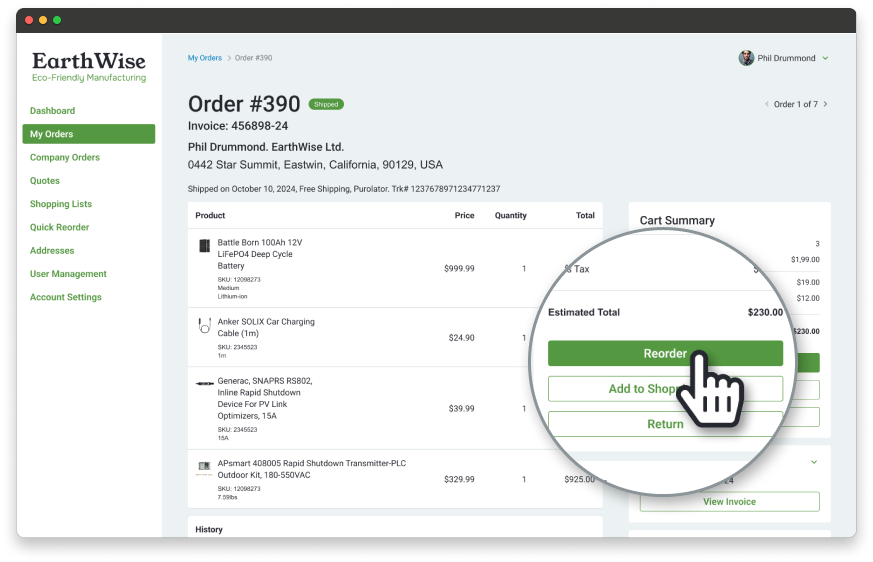
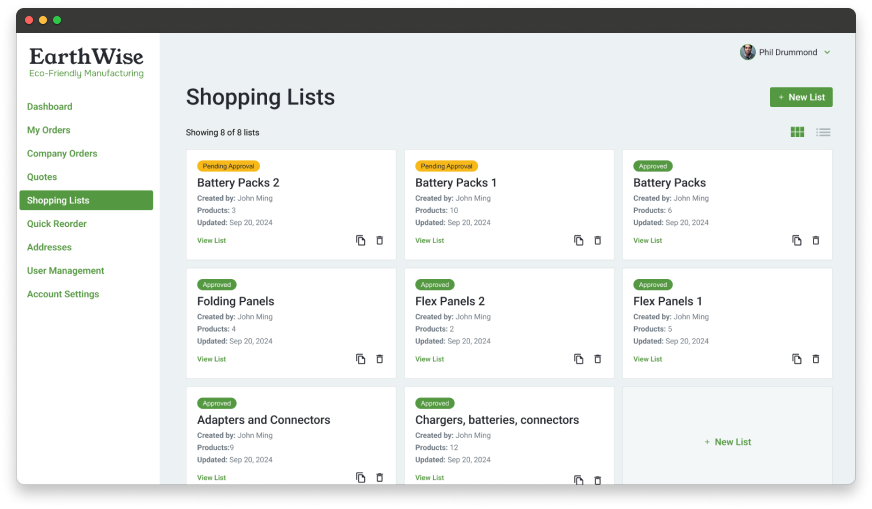
Your orders flow cleanly into existing systems with fewer errors
Your buyers find their own answers, reducing calls and emails
And the business impact is measurable.
Companies that lead in customer experience grow revenue more than twice as fast as the ones that lag.
Source: McKinsey, Experience-Led Growth: A New Way to Create Value
Ready to plan a portal that works for your buyers?
You don't need to replace the platforms that already run your business.
Through our Discovery & Strategy framework, we align buyer needs with your ERP and ecommerce systems, whether that means improving a weak portal or building a new one from the ground up.
That way, your investment delivers from day one.
What we offer
B2B portals built around your process
Every business is different. That's why we:
- Map how your customers work today
- Connect your ERP and ecommerce backend
- Deliver buyer-centred experiences instead of generic templates
What it takes to build one
Four answers decide the build. Get them right, and the platform choice gets easier.
- Who can buy what: which customers see which products, and who at each company can place an order.
- How each customer's price is set: in your ERP, in a spreadsheet, or in a rep's head.
- What stock you can promise: live from your ERP, or a day old.
- How orders reach your ERP: through a connector, or typed in again by hand.
If any of these lives outside your ERP today, that's where the project starts. A portal shows buyers whatever your systems hold, gaps included.
B2B portals that work
Make your portal a sales tool that reduces friction and drives repeat customer logins.
Connect with Stephen Netzlaw, COO, on LinkedIn.
b2b portals
Frequently Asked Questions
Yes, but only if it is easier than calling you. We focus on user experience (UX) for manufacturers. By designing quick order pads, one-click reordering, and easy invoice lookups, we reduce friction in B2B buying. When the portal is faster than the phone, even the most traditional buyers switch to digital.
We look beyond just "new sales" and measure operational savings. A robust B2B manufacturer portal lowers the cost of sales by enabling customer self-service. By automating routine tasks — like checking inventory, tracking shipments, and retrieving invoices — your sales team is freed from data entry to focus on high-value relationship building.
Yes. This is the difference between a "shop" and a "portal." We integrate with your ERP to display contract pricing online. When a buyer logs in, they see their negotiated rates, volume discounts, and payment terms. This ensures your digital channel honors the complex agreements your sales team has worked hard to negotiate.
Large buyers often have junior staff who build orders and managers who approve them. We replicate this hierarchy by building approval workflows online. Your customers can set their own budget limits and authorization chains directly in the portal, giving them the corporate controls they need to shift their procurement to your site.
Yes. Trust is the currency of B2B. If a customer orders a part that is out of stock, they may never return. We connect your portal to your ERP as the single source of truth, giving buyers accurate, real-time visibility into stock levels across your warehouses. This transparency reduces "stock check" phone calls and builds buyer confidence.
AI turns a passive portal into an active sales assistant. By structuring your catalog with AI-ready data, we can implement tools that analyze purchase history to suggest predictive reordering. The portal learns what your customer buys and reminds them to restock before they run out, increasing customer lifetime value automatically.
Ready to get started?
It's time to build for the people who will use your portal every day.
A portal should make life easier for both your customers and your staff. With the right planning, you get a tool people will actually use. One that works the way they need it to.