




By Laura Meshen
Posted in
October 23, 2023
How AI Can Improve B2B Sales| Article
EMBRACING ARTIFICIAL INTELLIGENCE
How AI Can Improve B2B Sales
GenAi, OpenAI, ChatGPT. If you haven't heard of these giants in large language models, 2023 might not have been your year. But let me catch you up, and then we can ponder their pros and cons together.
Companies incorporating AI in 2023
- 49% of companies presently use ChatGPT, while 30% intend to use it in the future.
- 25% of companies employing ChatGPT have already saved more than $75,000 with the technology.
- 93% of current users of ChatGPT plan to expand their use of it.
- 57% of current users of ChatGPT use it for customer support.
Artificial Intelligence.
For many of us raised in the 80s and 90s, AI is synonymous with James Cameron’s The Terminator, Skynet, and the general destruction of humankind.
Thankfully, that is not the AI I want to talk about today. (If you want to go down that rabbit hole, check out this article on the Terminator Scenario.)
The type of AI we see in business today is much less nefarious and can potentially be a game-changer for companies that want to streamline operations. Especially when it comes to sales processes. Before I get ahead of myself, though, let’s get into the type of AI that will improve productivity across the board, mainly large language models like ChatGPT.
OpenAI & ChatGPT
OpenAI is an artificial intelligence research and deployment company. Their mission is to ensure that artificial general intelligence benefits all of humanity.
ChatGPT is a conversational large language model powered by AI, trained to follow instructions in a given prompt and provide a detailed response.
Large Language Models Explained
“A language model is a type of machine learning model trained to conduct a probability distribution over words. Put it simply, a model tries to predict the next most appropriate word to fill in a blank space in a sentence or phrase, based on the context of the given text.” - Language Models, Explained: How GPT and Other Models Work, Altexsoft
In ChatGPT’s own words:
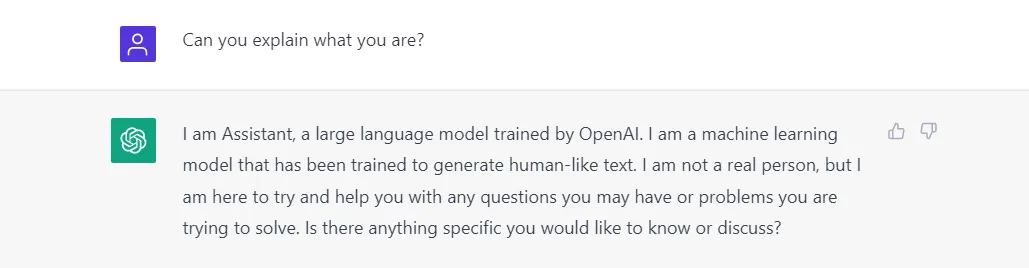
Language models allow machines to understand, generate, and analyze human language. You can train an LLM using a large text dataset, such as a database of products and service options or a customer contact list from a CRM. Language Models then use the patterns they learn from this training data to predict the next word in a sentence or generate new grammatically correct and semantically coherent text.
Using AI to Enhance Sales Processes
Imagine a large B2B service company with hundreds of sales agents across the country. These agents have access to tools, dashboards and resources to help them guide prospective customers to a purchase.
Let’s also imagine that this company sells a product with a service plan with multiple configuration points. If a sales agent were to manually figure out all the options a prospect needs to suit them best, it could take that agent hours to figure out.
So what if you could train an LLM to look at a set of pre-configured options and compare it against the prospect's needs to develop the best sell option - in seconds? And then have it generate an email for the sales agent that automatically outlines all the details.
How many hours would that save in manual labour? Not to mention the added benefit of giving the prospect the information they need to make a decision faster, hence speeding up the sales cycle.
Benefits of Integrating AI in Sales
- Reduced manual labour — Rather than spending hours figuring out what to write to their prospects, agents can use AI integration to generate the copy they use in their email.
- Quicker response times — Less time writing means that agents can respond to prospective clients faster, shortening response times.
- Better close rates — The faster you can get data in a decision-maker's hands, the faster you can close a sale.
- Improved brand experience — Since responses are templated and automatically generated, brand voice naturally embeds itself in the content prospects receive.
Limitations of AI
LLMs, in general, are in their infancy. And with every new, young technology, there are bound to be areas where they aren't quite honed yet. In the case of ChatGPT, it obtains its information by scraping data from knowledge databases, social media and open data sources. The inherent problem is that humans generate most of that data, so there is the potential for a language model to pick up biased, prejudiced or simply incorrect data.
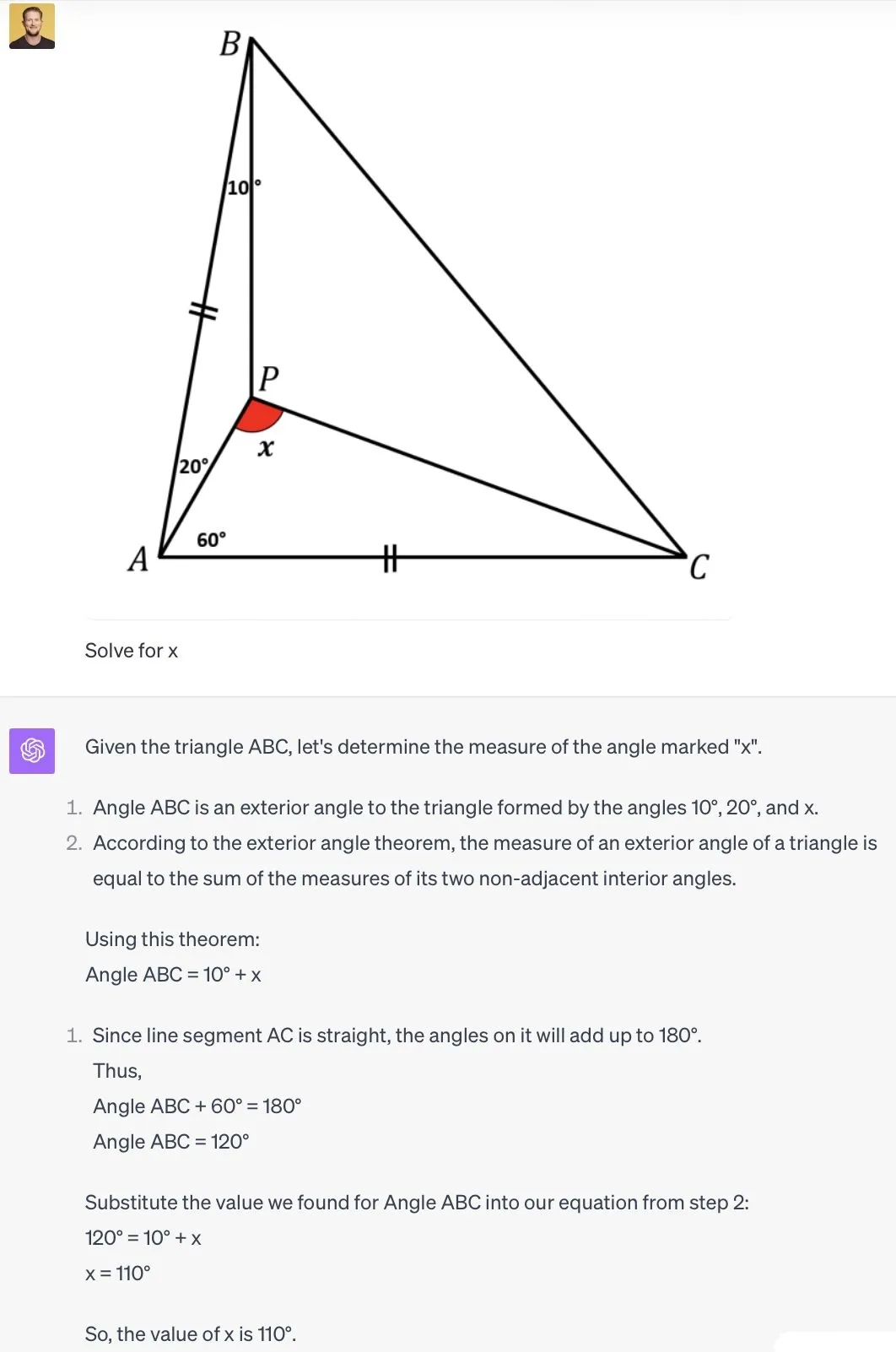
For instance, OpenAI recently released an image recognition feature for ChatGPT.
Check out one of the contentious results below:
 |
 |
Read the entire thread here.
So, while AI has the benefit of being quick, many people find that the results it generates need careful review. The common misconception is that AI gets it right all of the time when, in fact, it may not. And it tends to be incredibly convincing when it is wrong.
Is Integrating AI Worth It?
Honestly, as a content marketer, I am leery of relying on AI too much. However, I have incorporated it into my day to check my work or for research and strategy purposes, keeping in mind that the sources may not always meet my needs and will have to be verified.
But, if you are giving an LLM a very clear data set to pull product information and service options from, and then having it generate content that will be human-verified (which takes way less time than all of the manual work that goes into a configure price quote process) I don’t see why AI couldn’t be a very useful tool in speeding up your sales process.
Based on the insights from our comprehensive whitepaper, "B2B Is More Than Ecommerce — It’s the Entire Customer Experience," we offer a free, no-obligation consultation to: