



By Swapna Ravichandran
Posted in
December 21, 2022
8 Ways to scale and accelerate your ecommerce business
8 Ways to scale and accelerate your ecommerce business
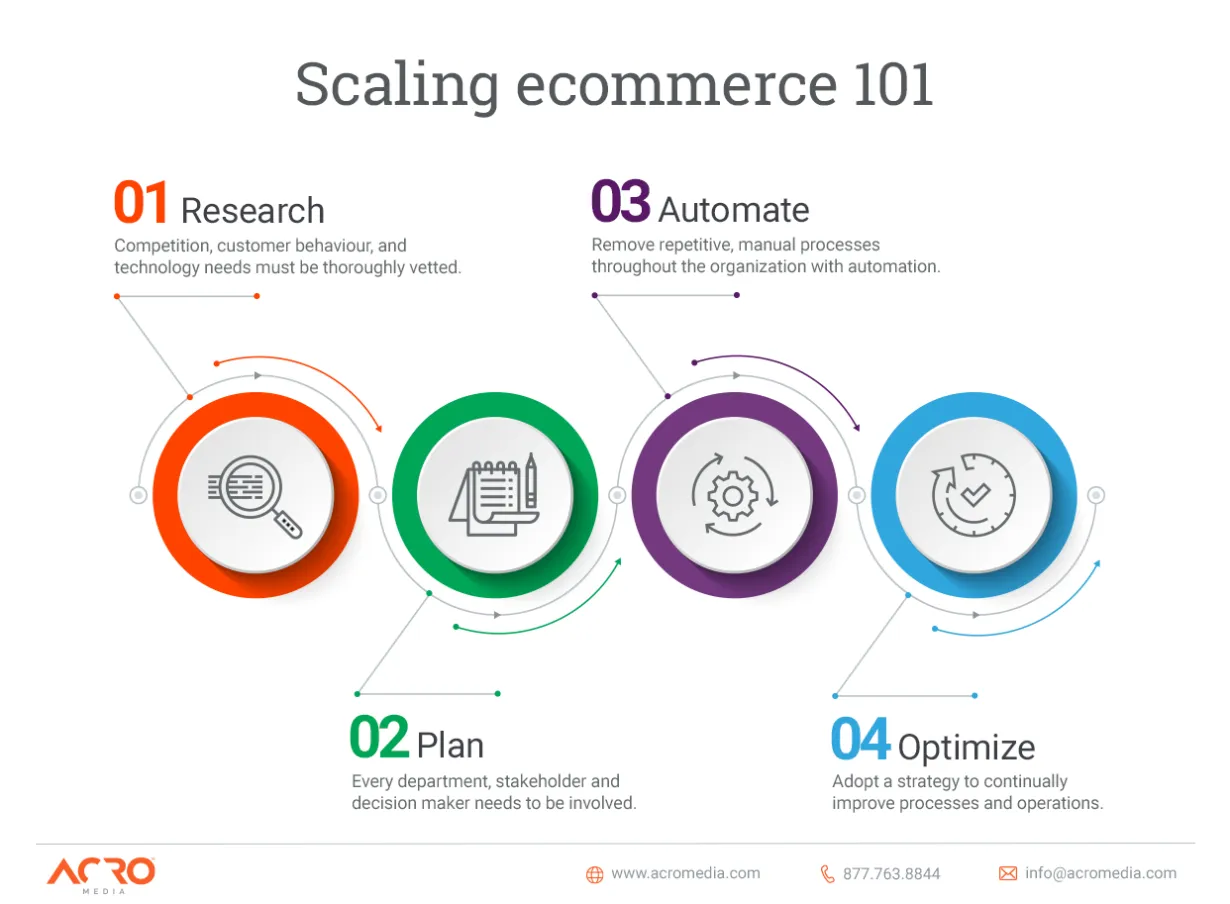
If you are an ecommerce entrepreneur or have an established online business, growing your business profitably is likely pretty important to you. Our guest writer has come up with some solid advice on scaling strategies that can help elevate your business.
How to scale and accelerate your ecommerce business
- Create a solid marketing strategy
- Automate whenever possible
- Develop a strategy for getting reviews
- Outsource when you need to
Read the entire article to see all eight scaling strategies.
There's no better time than now to be in the ecommerce business. Currently, roughly 30% of the world's population buys digitally. So, the sky is the limit for those working in the digital buying space. With the enormous potential, ecommerce entrepreneurs must concentrate on growing their businesses. After all, the more a company grows, the quicker it is to build a strong brand and convert customers. But how do you put your company on the fast track to growth?
This article will look at fool-proof ways to scale and accelerate your business.
Scaling your business
To learn how to scale your business, you need to understand what the term 'scaling' means. Many entrepreneurs confuse scaling with growing your business, but the two terms differ.
When people speak of growing your business, they refer to growing the size of your company. That type of growth could be through increasing the number of employees, raising capital investment, or expanding the product line. Business growth has nothing to do with revenue growth.
However, scaling your business refers to increasing your company's revenue while spending minimal, or preferably zero, resources on growing your business. Scaling business essentially means getting more profits without any extra expenses.
That sounds like a good deal, right? But unfortunately, for most entrepreneurs scaling their business is the goal rather than growing their business. However, you want your business to be profitable at the end of the day, so it's essential to have a good scaling strategy in place for your company.
How to plan your scaling strategy
Before planning your business scaling strategy, certain aspects need to consider your consumer base. If you don't understand your target audience, you won't be able to craft a compelling strategy. So, here are some key target audience-based elements to consider before you start.
Identify your target audience.
Identifying your key customers will help you make your ecommerce marketing efforts more relevant and effective.
You may study your target audience's habits by creating a buyer persona or an ideated portrayal of your ideal consumers based on actual data.
Building your marketing and website tactic strategies based on your consumer’s concerns and issues ensures your marketing strategies are more attractive to your target market.
Understanding the target audience's needs.
They say 'customer is king,' and it couldn't be more accurate in the ecommerce industry. If you don't have a client, you don't have a business. So you need to build your entire brand around what customers want.
Regarding ecommerce strategy, it's critical to think about your consumers' wants. Since your business relies on the satisfaction of your clients, you can't overlook their demands while crafting marketing strategies.
Finding the right communication channels.
Understanding how your target consumers engage with your business allows you to maintain consistent customer satisfaction across numerous social platforms.
Optimize your scaling tactics and techniques to provide customers with a consistently positive experience, whether by looking at your merchandise or services on social media platforms or your website. Thinking from the consumer's point of view is always helpful when designing scaling strategies. You could also read our article to understand digital commerce platform capabilities better.
The eight best scaling and acceleration strategies for ecommerce businesses

1. Create a solid marketing strategy.
You can’t grow or scale your business if people don't know about it, right?
No two businesses are the same, so you need to craft a unique marketing strategy to positively impact your revenue.
There are different marketing tactics, and depending on your budget and desired results, you can choose which technique suits your business the best.
Search engine optimization
Search engine optimization, or SEO as it's more commonly known, is enhancing your content to rank high in organic listings on search engines.
This optimization might involve including critical targeted keywords in your content, developing strong backlinks in your blogs and website, and providing an exceptional customer user experience. SEO can separate you from your competitors and keep consumers coming back for more.
The higher your site ranks in search results for relevant search phrases to your company, the higher your traffic will be. Increased traffic eventually leads to greater revenue.
Another lesser-known benefit of SEO is that it helps build your credibility in the industry. If your website ranks high on search engines, it will establish you as an authority in your industry, and people will trust and buy from a credible brand.
The results of SEO marketing might not show immediately, but they have no expiry date and will continue to benefit you in the long run. So if you don't have a strict deadline, SEO is a great way to scale your business organically.
SEO is a tricky concept and can lead to penalties if used incorrectly. Consider hiring an expert to help you with search engine optimization. For example, many companies prefer hiring a social media assistant to help them increase their digital presence organically through SEO marketing.
Paid advertising
If you want faster results in your marketing efforts, you might consider putting aside some money to run PPC (pay-per-click) advertisements.
These may be social media advertisements on popular platforms like Meta, YouTube, and Instagram; paid marketing will help you climb the Google rankings ladder.
Paid marketing is a terrific approach to reaching new consumers and provides some of the most valuable data and analytics for measuring your progress.
To expand brand reach through cloud-based strategies, read our article to learn more.
Paid advertising results show much faster than SEO marketing, but PPC ads have an expiry date and require a substantial budget, unlike search engine optimization.
Implement retargeting strategies
Attracting new clients is crucial for growing your business. Still, for higher chances of scaling your business, you should also try to retarget individuals who have visited your site but have not yet become customers.
Retargeting allows you to send targeted ads to customers who have visited your website but have not made a purchase or abandoned their cart, and convince them to spend their money with you. Targeted social media ads and email campaigns are the best methods.
Email marketing campaigns
Another effective way to approach existing customers is through email marketing. These clients have already purchased a product from you and may be inclined to purchase it again. Sending promotional deals, seasonal offers, and even when you launch a new product or service in your company, there are several email marketing tactics for getting existing customers back to your site.
2. Automate whenever possible
Scaling an online firm requires a significant amount of effort. A few repetitive and time-consuming tasks (aka swivel chair processes) could prevent you from focusing on important matters that require your skill and expertise.
To expand your online business, you'll need to rely on automation to save time and money on repetitive tasks. Automation will allow more time for other important things like business strategy and scaling tactics. It will also help you reduce your human labour and resources.
Some chatbots assist in automating a portion of your customer care tasks, such as responding to customer concerns outside of work hours. However, AI cannot replace human labour and intelligence at this time. Therefore, a skilled virtual assistant with relevant customer service experience can provide high-quality CSR services at a reasonable cost. Read our article to learn more about automation's role in B2B marketing.
3. Develop a strategy for getting reviews
Reviews can give potential buyers the big push they need to purchase a product. In addition, it lends credibility to the ecommerce brand and, more crucially, provides that all-important human suggestion factor, making the brand seem more reliable from a consumer point of view.
Users may not accept your word when you market your brand, and it might even come across as cocky, but they are more inclined to believe what other customers say about a product or service. Nine out of ten consumers rely on online reviews while purchasing from a new brand.
4. Continuously optimize your website
While crafting a business scaling strategy, it's essential not to lose sight of your website. For most of your customers, it's their first point of contact with your brand, and first impressions are far more crucial online than they are when people shop in a physical store.
You won't be able to detect whether something is wrong based on their body language, and you don't have any resources to conduct damage control. Customers will simply leave and switch to another brand if they are unhappy with your business.
Keep your website free of typos, use only quality images, and optimize your website or mobile use since most people shop through their phones these days.
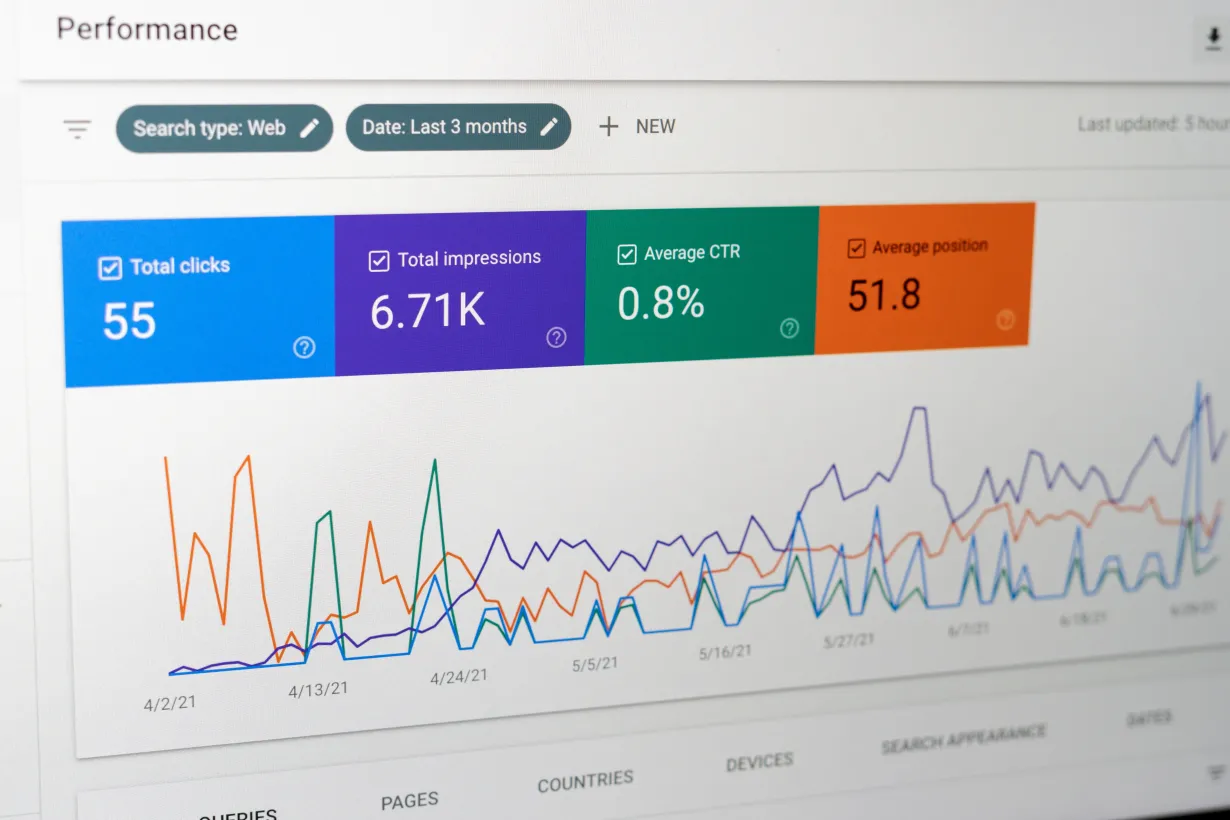
Develop a process for reviewing your website analytics and acting on the observations you make. For example, consider revising the content if your time on the page is low. Add heat mapping technology to see where your visitors click and how far they scroll.
5. Include multiple payment options
You can appeal to many clients by offering a variety of payment methods. It will be convenient for customers to buy from you if you offer a variety of payment options for their purchases. That can also help you avoid people leaving their filled carts and eventually maximize conversions.
There are multiple payment options available nowadays, such as PayPal and Apple Pay, and integrating them into your website is easy.
Setting up your payment connections on the platform is simple. After you've decided on a payment method, you must enable the payment gateway and activate it by logging in with your credentials.
You can also check out this article to learn how to improve your digital sales processes.
6. Stay up-to-date with ecommerce trends
Even if you offer the best product in the market, if you don't assess your competition and stay competitive with your price points, digital offerings and customer experience, you'll never be able to scale your business.
You know the competition is tough if you offer your product on online shopping platforms like Instagram Shop, Meta Marketplace, or even Amazon. Thousands of vendors compete on these platforms. Therefore, you'll need to stay on top of your marketplace strategy to expand your firm successfully.
Analyzing the market involves comparing your competitors' pricing, product selection, and delivery rates. As mentioned above, don't forget the reviews. Reviews can be a great indicator of weaknesses you can exploit and improve. You should provide a solid incentive for potential clients to choose you over another online vendor. If you hire a virtual assistant to research your market and create a competitive analysis, you can save costs and stay ahead of the competition.
7. Don't underestimate the power of a good offer
Special offers and occasional discounts can encourage your website visitors to purchase your product, which can help you win new clients. Of course, deals appeal to and help your customers feel good about making a purchase. Think about it, haven't you felt happy after buying products on sale?
Promote your offers in critical areas on your website to achieve better results. If using other marketing methods, pay special attention to when you'll provide discounts. As discussed earlier, you can also use email marketing to attract existing customers with special offers.
Your conversion rate will be higher if you opt for a promotional offer approach.

8. Outsource when you need to
You may not realize this, but many administrative and marketing tasks can be outsourced to qualified remote assistants, rather than exhausting your resources by hiring a whole team.
For example, when scaling your company, you may need to stop handling content, administrative, and marketing tasks alone or spend excessive amounts on hiring an entire team. Therefore, find freelancers or contact an outsourcing agency that will pair you with a skilled virtual assistant qualified for these tasks. Outsourcing can save you a lot of money since you don't have to spend extra on benefits, paid holidays, or sick leaves.
You can outsource various services, ranging from technical tasks such as SEO or CMS-related work to digital marketing and data entry. You will now have the time to focus on scaling your business by outsourcing certain tasks to third parties.
If you’re unsure when to start outsourcing, read our article to learn the best time to hire a consultant.
Get the best strategy to scale your business
There's no denying that ecommerce will be a big part of the customer shopping experience in the future. So strategize to scale your business and stay ahead of your competitors. We hope you found this article helpful in crafting the best scaling tactics for your ecommerce brand.

Editor's note
This article was originally published on June 15, 2022. It has been updated for accuracy and freshness.