



By Jace Inglis
Posted in
May 6, 2024
Design Patterns And Examples in Gesso | Article
TECHNICAL OVERVIEW
Design Patterns And Examples in Gesso
Showing off his expertise, Jace Inglis, a software developer at Acro Commerce, dives into a subject that only some people outside our engineering department know much about.
Understanding design patterns and knowing when and how to use them makes all the difference when designing web applications. Having them built into our development accelerator, Gesso, means the difference between having a website that meets your business’s basic needs and one with all the bells and whistles your customers demand.
Design Patterns in Web Development
- What are Design Patterns?
- Types Of Design Patterns And Examples In Gesso
Behind every successful web development project lies a backbone, which finds its strength in the application of design patterns. Design patterns are well-documented and proven solutions to common problems encountered in a project's development process. They address issues such as complexity, flexibility, extensibility, and performance.
What are Design Patterns?
Design patterns are templates that help guide a developer in creating effective and efficient solutions to common problems. They are like blueprints, offering a structured approach to issues software developers can encounter. They encase best practices, encourage code reusability, and enhance the overall maintainability and scalability of projects. Design patterns are used throughout Gesso, allowing us to always have performant code that's easily adaptable to any platform.
Types Of Design Patterns And Examples In Gesso
There are three main types of design patterns: creational, structural, and behavioural. Each category contains multiple patterns.
Creational Design Patterns
Creational design patterns are just that, patterns that address creational mechanisms. They focus on making object instantiation more flexible and reusable. A common pattern under the category of creational design patterns is the factory method.
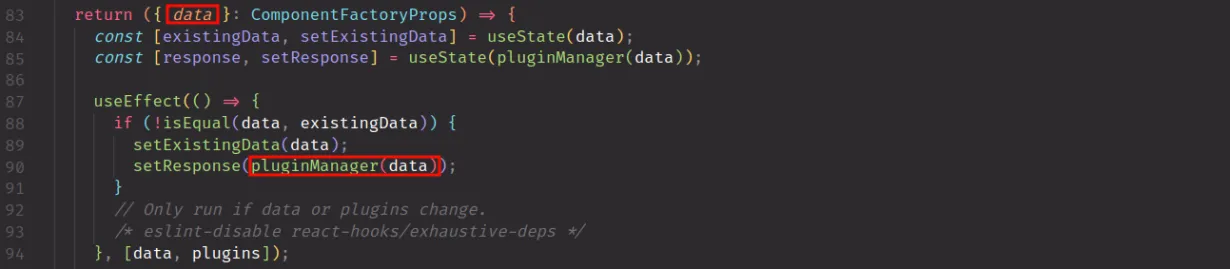
The factory method provides an interface for creating objects. A great example of this in Gesso is the component factory in our Drupal package.
The component factory takes in a set of data received from Drupal and then passes it to the plugin manager, which iterates over it.
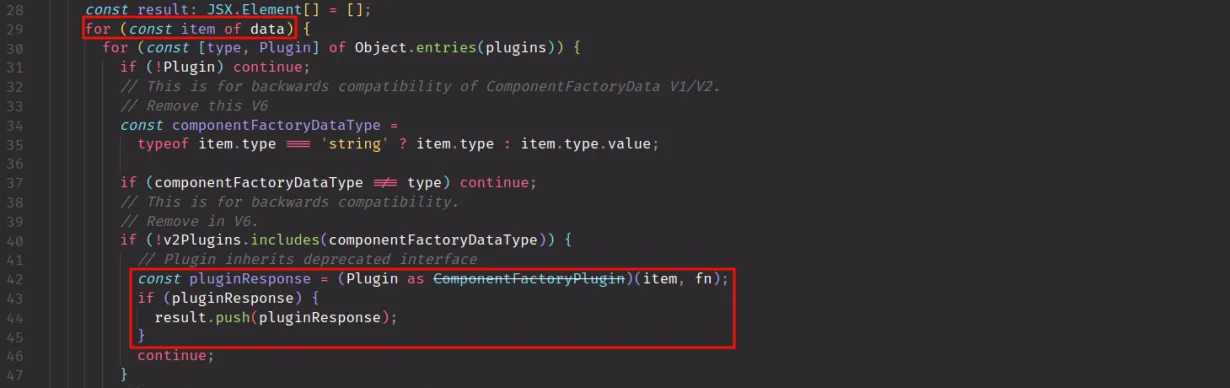
It finds the corresponding plugin for each item and uses it to build a JSX element (gesso component).
Then, it passes the remaining data back to the plugin manager, which builds the nested elements.
Structural Design Patterns
Structural design patterns are design patterns that provide guidelines on how to organize objects and classes into bigger systems while allowing them to remain flexible and optimized.
A well-known pattern under structural design patterns is the adapter pattern. The adapter pattern allows two objects with incompatible interfaces to interact with each other.
A prime example of this is inside Gesso’s plugin infrastructure: each platform that connects to Gesso returns different data. Because of this disparity, a singular frontend isn’t capable of interacting with every platform that Gesso connects to. That's where the adapter pattern comes in. In Gesso, each of our platform plugins uses the adapter pattern to return the appropriate Gesso Interface to our methods.
Here’s how Gesso uses the adapter pattern:
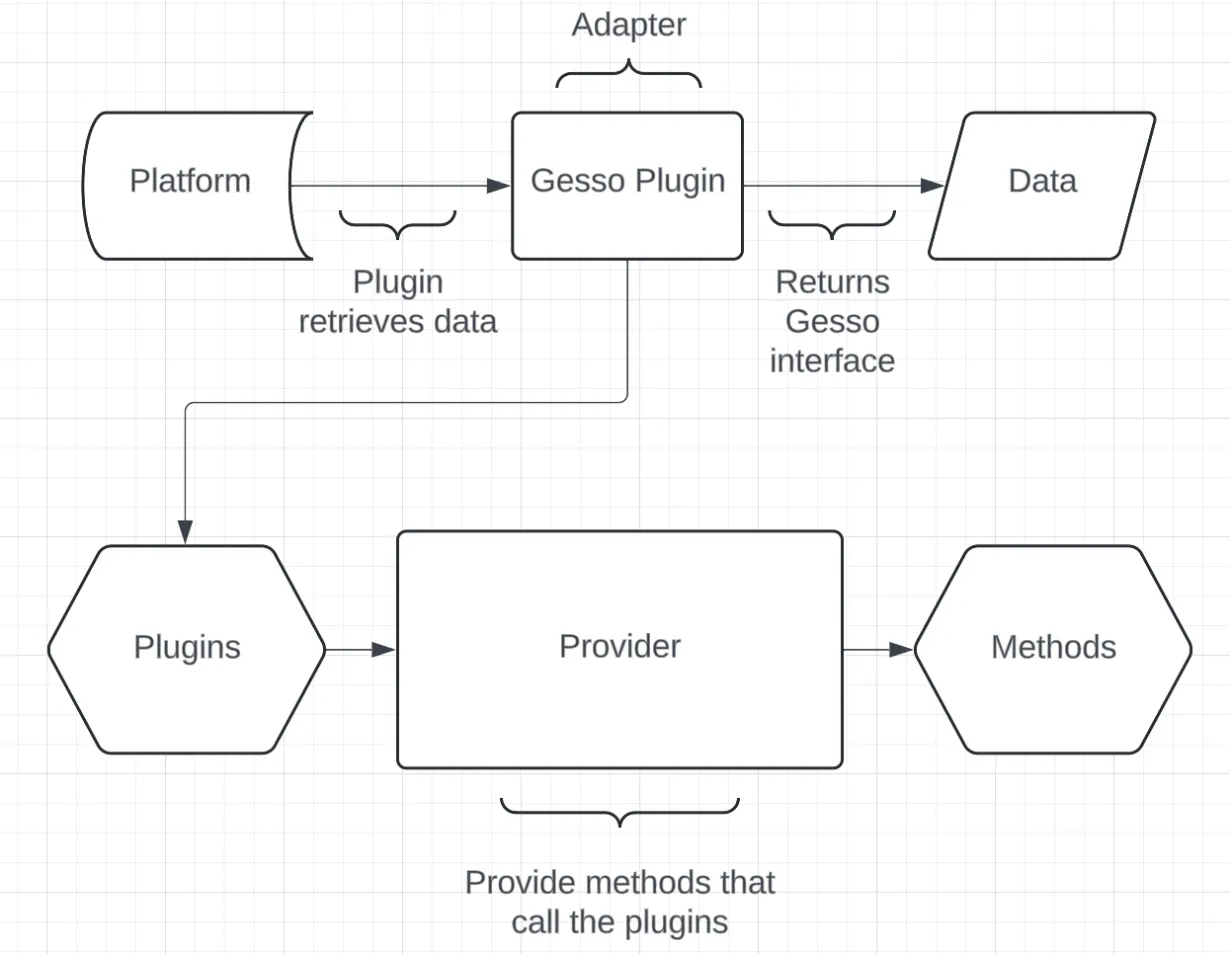
The method calls the plugin given to the provider, whose job is to request the specific platform's data and adapt it to one of Gesso’s interfaces. Each of Gesso’s plugins does this, allowing the front end to remain the same regardless of the backend you use.
Behavioural Design Patterns
Behavioural design patterns are the most used patterns in software development. They prioritize communication without needing intricate knowledge of how each individual piece of functionality works. Behavioural design patterns communicate through predetermined interfaces.
Most of the time, you don’t even realize you're using these patterns as they are already built straight into most high-level languages or frameworks.
One of the most common patterns, the iterator pattern, is built straight into JavaScript. The iterator pattern lets you access collection elements individually without revealing how the collection is stored internally. JavaScript has many of these methods, such as map, forEach filter, find, and so on. Under the hood, the map function is just a ‘for…of’ loop, which works by leveraging the iterator.
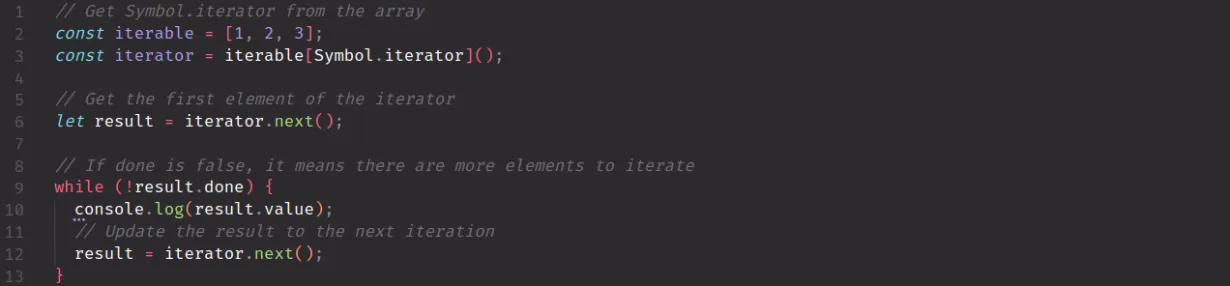
Logs:

Gesso and numerous other projects use these methods heavily, and they are a vital pattern in software development.
In essence, design patterns serve as powerful tools for addressing complex challenges encountered in software development. From managing complexity to enhancing performance, these patterns offer a structured approach to solving everyday problems, ultimately leading to the creation of more robust and maintainable software solutions like Gesso.
As software development continues to evolve, understanding and implementing these patterns remain crucial for developing scalable solutions in the ever-changing technology landscape.
Want to learn more about our development accelerator?
With built-in design and development processes, Gesso improves development project outcomes.
Fill in the form below, and one of our Gesso experts will contact you personally to discuss your needs.
